Jonas Russell · 23 October 2026
Uncovering Overlooked Connections Between Trail Maintenance Records and Shifting Animal Movement Corridors in Protected Woodlands
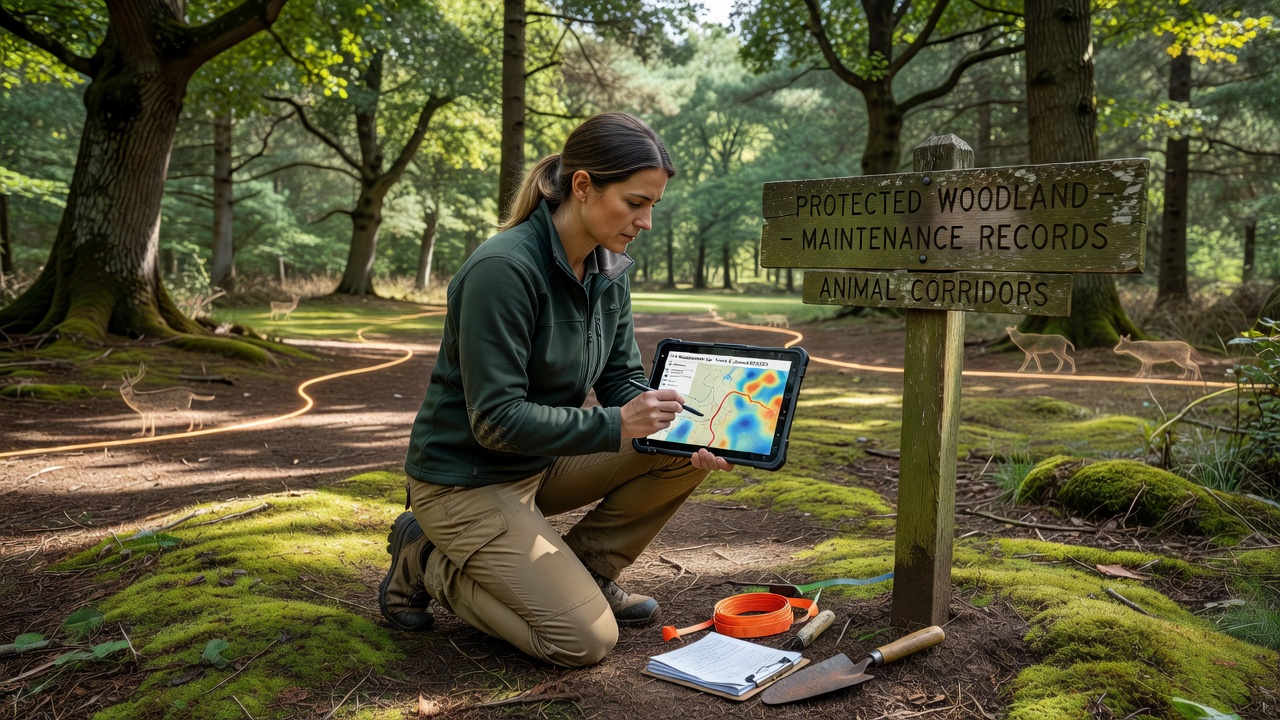
Protected woodlands maintain extensive trail maintenance records that document vegetation removal, path reinforcement, and seasonal clearing activities, and researchers have started cross-referencing these logs with telemetry data from tagged animals to identify previously unnoticed shifts in movement corridors. Maintenance entries from crews working in European and North American sites often note changes in understory density or barrier installation that align with GPS collar readings showing wildlife avoiding or rerouting around those exact locations over multiple seasons.
Trail Logs as Data Sources for Corridor Analysis
Trail maintenance records include timestamps, location coordinates, and descriptions of interventions such as brush cutting or gravel application, and when these datasets merge with camera trap outputs or radio-collar tracks, patterns emerge where animals detour around freshly maintained sections that previously served as primary pathways. Data from multiple protected areas indicate that repeated clearing along certain routes correlates with increased use of parallel game trails located 200 to 400 meters away, according to integrated monitoring programs run by forestry agencies in different regions.
One analysis of records spanning five years in a central European woodland reserve revealed that erosion-control measures installed in 2023 coincided with a measurable displacement of deer movement corridors documented through collar data collected the following year. Similar alignments appear in North American national forest datasets where maintenance crews recorded fallen tree removal that later matched shifts in bear travel routes captured by motion-sensor cameras.
Linking Maintenance Timing to Wildlife Behavior Changes
Seasonal timing of maintenance work plays a measurable role because records show most path work occurs during late spring and early autumn, periods when many species adjust foraging ranges, and cross-analysis demonstrates that corridors shift more noticeably after maintenance windows than during periods of minimal intervention. Researchers examining combined datasets note that animals tend to establish new routes within two to four weeks following documented vegetation thinning, suggesting avoidance of altered cover rather than random variation.
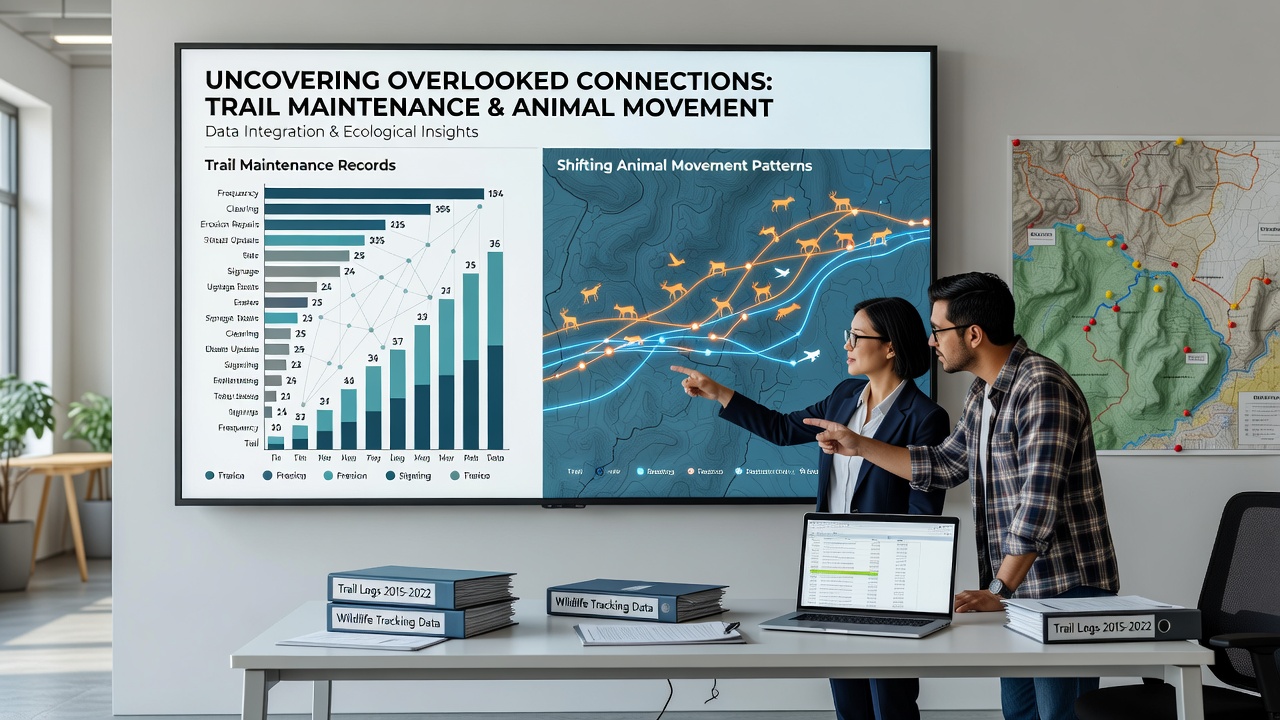
Protected area managers in Canada have compiled maintenance logs alongside collar data from elk herds, and findings indicate that reinforced trail sections near water sources prompted animals to use alternate crossings located farther upstream or downstream. These observations draw from publicly available reports issued by the US Forest Service on trail impacts and from corresponding studies by the European Environment Agency that track habitat connectivity across member states.
Case Examples from Integrated Monitoring Programs
Take one reserve in the Pacific Northwest where maintenance crews logged the installation of boardwalks across wet sections in 2024, and subsequent collar data showed mountain lions increasing use of higher-elevation routes that bypassed the new structures by several hundred meters. Another instance involves Australian woodland reserves where records of prescribed burning along trails matched documented kangaroo corridor adjustments captured through aerial surveys conducted the next season.
Observers note that these connections become clearer when maintenance crews adopt standardized digital logging that includes before-and-after photographs and precise geolocation, allowing analysts to overlay animal movement heatmaps directly onto intervention sites. As of October 2026 several woodland management authorities have begun piloting shared platforms that combine maintenance databases with real-time wildlife tracking feeds, enabling quicker identification of emerging corridor displacements.
Future Integration of Record Systems
Forestry departments across multiple continents continue expanding the scope of what gets recorded during routine trail work, adding variables such as canopy gap measurements and soil compaction readings that further refine correlations with animal route changes. These expanded records support predictive modeling efforts where agencies test whether certain maintenance schedules produce consistent corridor shifts, based on historical patterns already extracted from existing datasets.
Conclusion
Trail maintenance records supply granular spatial and temporal details that, when combined with animal movement data, expose direct links between human interventions and corridor adjustments in protected woodlands. Continued integration of these information streams across regions provides land managers with concrete evidence for adjusting protocols that minimize unintended displacement effects while preserving access routes.